�
Showing posts with label Pets. Show all posts

Sunday, January 13, 2013

Surrendering your family pet


When you surrender your  family pet to a Rescue or Animal Shelter, please be as honest as possible on their current vaccinations, heart worm status, if they are spayed, quirks and more. No matter how bad you feel at the time of surrender you will give your pet a better chance if any of us know what we are dealing with from the beginning. So put your embarrassment away and just tell us the truth and the facts on your pet that your about to surrender. This is putting your pet first in such a life alerting situation, remember they can’t speak to us on these matters and extra vetting is very expensive on the back end for us.

It even heps us and sooths the animal if we know the name you called in during your ownership. For us to make up a name, start trying to call them by a strange name it makes the assessment part of any animal much harder.

Just give us all the facts, the good and the bad. We don't care, we just need to know as much as possible to better help the animal find a second chance at life.

Monday, January 7, 2013

Help stop animal abuse and neglect, get involved.


Tips for Reporting Animal Cruelty

 •Write down what you observed, give dates and times when possible.

•Take pictures of the animals in question, but do not put yourself in danger.

•Do not enter someone’s property without their permission.


•If you can, provide the names and contact information of other people who have firsthand information about the abusive situation.

•If you run into trouble finding the correct agency to contact, you may wish to call or visit your local police department and ask for their help in enforcing the law. Similarly, you can ask at your local shelter or animal control agency for help. To find contact information for your local shelter, check the yellow pages or visit the ASPCA’s searchable database of nearly 5,000 community SPCAs, humane societies and animal control organizations.

Signs of neglect:

A shocking number of animals die from neglect every year, right under the noses of the entire community. If you see an animal in distress don't assume that someone else will take care of the situation; take action! Pay particular attention to:

> Chained dogs are most likely to die from starvation, dehydration or hypothermia, since their confinement renders them especially vulnerable and helpless.

>Animals without shelter in extreme heat or cold.

>Clearly emaciated animals: clearly visible bones and lethargy can be a sign of an untreated, life-threatening medical condition or imminent starvation.

>Obvious, untreated wounds or other medical conditions: animals who are limping or otherwise demonstrating distress, and animals with multiple patches of missing fur and open sores need treatment.

>Too many animals living on one property. This can be a sign of animal hoarding.

Dogs or cats inside abandoned homes. Reports of companion animals abandoned and left to die inside vacant buildings or apartment units are startlingly common. >If you notice a neighbor has moved or has stopped coming around to a residence where you animals live, be extra vigilant.

Some dogs bark and whine to express their anxiety when they are left alone, but a dog who is howling or barking for more than a day sending out a clear signal that he's not being attended to. He may be injured or he may be abandoned. Try to find out if someone is at the residence, and if not, ask the authorities to investigate. If the neglect is ongoing or prolonged, it's often helpful to document it. You'll be better able to make your case and persuade authorities to take action if you if you've been able to take daily notes and photographs of the situation.

 
Obvious violence

No reasonable, conscientious person would ignore a child being beaten, hit or kicked. Neither should anyone turn a blind eye to animal abuse!

 If you witness overt violence against an animal or suspect it, speak up! If you don't feel comfortable directly intervening in a situation, quickly call the authorities. (If you don't have the appropriate number in your cell phone, dial 911.)


Knowing that s/he is being watched might startle the abuser into stopping the immediate act of violence, but ultimately, most cases are best left to law enforcement. It is especially important to involve law enforcement when violence is involved because the abuse is likely to be part of an ongoing pattern of violence that may include both animals and people. Don't delay; time is of the essence!


Monday, October 1, 2012

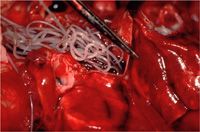
How Heartworm Happens: The Life Cycle


First, adult female heartworms release their young, called microfilariae, into an animal's bloodstream. Then, mosquitoes become infected with microfilariae while taking blood meal from the infected animal. During the next 10 to 14 days, the microfilariae mature to the infective larval stage within the mosquito. After that, the mosquito bites another dog, cat or other susceptible animal, and the infective larvae enter through the bite wound. It then takes a little over 6 months for the infective larvae to mature into adult worms. In dogs, the worms may live for up to 7 years. Microfilariae cannot mature into adult heartworms without first passing through a mosquito.


What Are the Signs of Heartworm Disease?

For both dogs and cats, clinical signs of heartworm disease may not be recognized in the early stages, as the number of heartworms in an animal tends to accumulate gradually over a period of months and sometimes years and after repeated mosquito bites.


Recently infected dogs may exhibit no signs of the disease, while heavily infected dogs may eventually show clinical signs, including a mild, persistent cough, reluctance to move or exercise, fatigue after only moderate exercise, reduced appetite and weight loss.


Cats may exhibit clinical signs that are very non-specific, mimicking many other feline diseases. Chronic clinical signs include vomiting, gagging, difficulty or rapid breathing, lethargy and weight loss. Signs associated with the first stage of heartworm disease, when the heartworms enter a blood vessel and are carried to the pulmonary arteries, are often mistaken for feline asthma or allergic bronchitis, when in fact they are actually due to a syndrome newly defined as Heartworm Associated Respiratory Disease (HARD).


How Do You Detect Heartworm Disease?
Heartworm infection in apparently healthy animals is usually detected with blood tests for a heartworm substance called an "antigen" or microfilariae, although neither test is consistently positive until about seven months after infection has occurred.
 
Heartworm infection may also occasionally be detected through ultrasound and/or x-ray images of the heart and lungs, although these tests are usually used in animals already known to be infected.
 
Prevention
Because heartworm disease is preventable, the AHS recommends that pet owners take steps now to talk to their veterinarian about how to best protect their pets from this dangerous disease. Heartworm prevention is safe, easy and inexpensive. While treatment for heartworm disease in dogs is possible, it is a complicated and expensive process, taking weeks for infected animals to recover. There is no effective treatment for heartworm disease in cats, so it is imperative that disease prevention measures be taken for cats.
 
There are a variety of options for preventing heartworm infection in both dogs and cats, including daily and monthly tablets and chewables, monthly topicals and a six-month injectable product available only for dogs. All of these methods are extremely effective, and when administered properly on a timely schedule, heartworm infection can be completely prevented. These medications interrupt heartworm development before adult worms reach the lungs and cause disease.
 
It is your responsibility to faithfully maintain the prevention program you have selected in consultation with your veterinarian.


Wednesday, September 26, 2012

Walk for Animal Protection in Mebane NC


Walk for Animal Protection (7th Annual)

Saturday, Oct 6 10:00a to 2:00p
 at Paws4Ever, Mebane, NC

 Bring the family--including the dogs! Join us for the 7th Annual Walk for Animal Protection at the Village Green in Southern Village to raise money for Paws4ever and the animals waiting to find their forever homes.

 10:00 am--2 pm

Activities, demonstrations, music, vendors and much more

Noon
2-mile fun walk led by a surprise Grand Marshall